

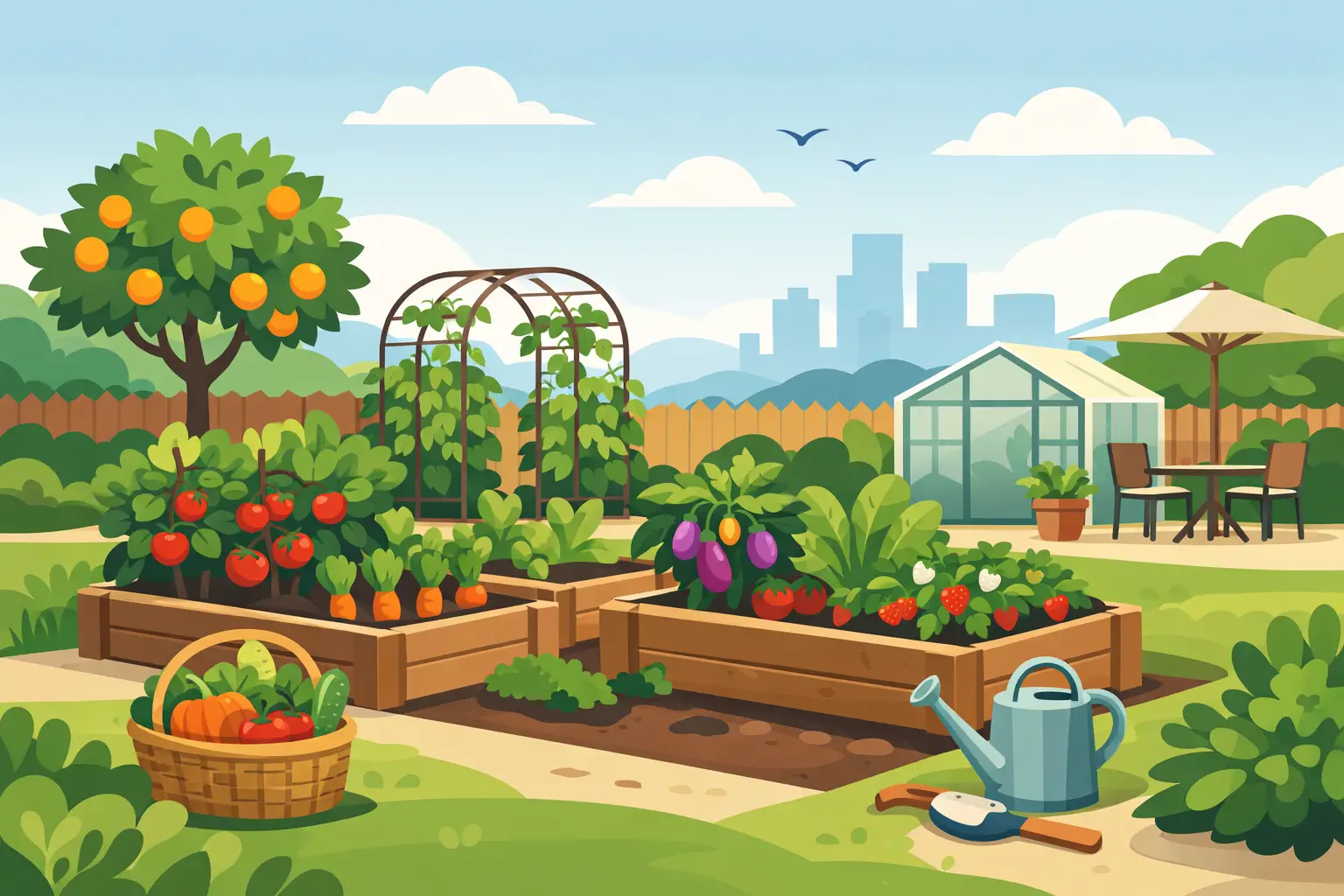
A good edible garden earns its spot. It gives you herbs for dinner, fruit within reach, greens you actually use and a reason to spend ten minutes outside after work. The best edible gardens are not usually the biggest or most complicated. They are built around what your household eats, the sunlight you have and the care you can realistically give.
For Perth homes, that practical approach matters. Hot, dry summers can quickly expose a poor plant choice or a watering plan that looked fine on paper. Start with plants that suit your space and climate, then build up once you know what performs well.
Start Your Edible Garden With What You Eat
It is easy to get carried away with unusual fruit trees and a long wish list of vegetables. But if nobody at home eats kale, growing six kale plants is not a win. Think about the ingredients you reach for every week: basil, parsley, chillies, lemons, salad leaves, spring onions, tomatoes or strawberries.
Herbs are often the smartest first buy because they are useful, compact and rewarding. A sunny pot of rosemary or thyme needs little fuss once established. Basil, coriander and parsley give more generous returns with regular watering and picking. Keep the herbs closest to the kitchen door, not at the far end of the yard. Convenience is what turns a planted pot into an ingredient habit.
For a more productive patch, choose a mix of quick crops and longer-term plants. Lettuce and rocket provide fast harvests, while citrus, figs and dwarf fruit trees create a more permanent edible framework. That mix keeps the garden interesting while the bigger plants settle in.
Match Plants to Your Available Light
Light is the first filter when buying plants for edible gardens. Most fruiting crops need at least six hours of direct sun to produce well. Tomatoes, capsicums, chillies, eggplants, cucumbers and citrus want a bright position and will struggle in a shaded courtyard.
If you have full sun, make the most of it with productive summer vegetables, berry plants and fruit trees suited to your available room. In Perth, morning sun with some protection from harsh late-afternoon heat can be especially useful for tender leafy crops.
A balcony or courtyard that receives a few hours of soft sun is still worth planting. Leafy greens, parsley, mint, coriander and some salad herbs can cope with less light than tomatoes or lemons. Do not buy a full-sun fruiting plant and hope it will adapt to deep shade. It may survive, but a disappointing harvest is likely.
Before ordering, watch where the sun lands across your space for a day. Check summer conditions too if you can. Winter light can make a spot look far sunnier than it will feel in January.
Small spaces can still be productive
You do not need a lawn or a raised-bed setup to grow food. Pots, troughs and vertical supports can create a useful edible garden on a balcony, patio or rental courtyard. The key is using the right container size and not overcrowding it.
A large pot gives roots more stable moisture and temperature than a tiny one. This is particularly important through a Perth summer, when small containers can dry out in a day. Use quality potting mix, choose pots with drainage holes and place saucers carefully so roots are not sitting in water for long periods.
Grow one dwarf citrus, blueberry or compact fig in a generous container rather than trying to squeeze several fruiting plants into undersized pots. Use smaller pots for herbs and salad greens. Trellis climbing beans, peas or cucumbers upward where there is room, but make sure the support is sturdy before the plant gets heavy.
Choose Crops for the Season, Not the Shelf
Planting at the right time gives you a much easier run. Perth’s Mediterranean climate generally suits cool-season crops from autumn into spring, then heat-loving crops as the weather warms. Trying to push cool-weather lettuce through extreme heat can mean bitter leaves, rapid flowering and plenty of frustration.
In the cooler months, look to leafy greens, broccoli, cabbage, peas, spinach, beetroot, herbs such as coriander and parsley, and spring onions. As conditions warm, swap to tomatoes, basil, beans, cucumbers, eggplants, capsicums, chillies and zucchini.
Fruit trees are a longer decision. Consider mature size, pollination needs and where shade will fall in a few years. Dwarf varieties can be a practical choice for suburban gardens and large pots, but they still need enough sun, root room and regular care to crop well. Citrus are popular for good reason, yet they are hungry plants. Feed them well during active growth and keep soil moisture steady rather than alternating between bone dry and drenched.
Build Better Soil Before Adding More Plants
Productive plants take nutrients out of the soil. If your vegetables are pale, slow or repeatedly underperforming, adding more plants will not solve the issue. Start with the growing medium.
For garden beds, work compost and organic matter through the top layer before planting. Soil should hold moisture without staying soggy. Perth’s sandy soils drain quickly, so regular additions of compost, well-rotted manure and mulch can make a noticeable difference to water retention and plant health.
For pots, use fresh premium potting mix rather than digging soil from the garden. Garden soil compacts in containers and can make drainage difficult. Top up or refresh potting mix between crops, particularly after heavy feeders such as tomatoes, zucchini and citrus have finished a strong season.
Mulch is one of the simplest ways to make a garden less thirsty. Keep it a few centimetres away from stems and trunks to reduce the risk of rot, then spread it over exposed soil. It helps moderate soil temperature, suppresses weeds and slows moisture loss.
Water for Strong Roots, Not Just Green Leaves
A productive garden needs consistent water, but that does not mean constantly wet soil. Infrequent, deep watering generally encourages roots to travel down, while shallow daily splashes can leave plants dependent on surface moisture. The exact schedule depends on plant type, pot size, weather and soil, so check before watering rather than following the calendar blindly.
Push a finger a few centimetres into the soil. If it is dry and the pot feels light, it is time to water. If it is still damp, wait. Containers usually need more frequent attention than in-ground beds, especially in hot or windy weather.
Water early in the morning where possible. It gives plants time to take up moisture before the heat builds and avoids leaving foliage wet overnight. A drip system or soaker hose can save time in larger gardens, but even a simple watering routine works if it is consistent.
Harvest Often and Keep Plants Producing
Harvesting is not the final step. For many herbs, beans, leafy greens and zucchini, regular picking tells the plant to keep producing. Letting crops become oversized often reduces quality and slows the next flush.
Pick basil frequently, remove mature zucchini before they turn into marrows, and collect beans while they are young and tender. With leafy greens, take outer leaves first so the centre can continue growing. Tomatoes are best picked as they colour up, while citrus can often stay on the tree until you are ready to use it.
Keep an eye out for pests, but do not assume every chewed leaf needs a major response. A few holes are normal in a living garden. Check under leaves for caterpillars, aphids or whitefly, remove problems by hand where practical and improve airflow by avoiding crowded planting. Healthy, well-watered plants usually recover better than stressed ones.
Make It Easy Enough to Keep Going
The most successful edible gardens fit into everyday life. Put watering gear nearby, grow your favourite herbs where you can see them and start with a manageable number of plants. A thriving collection of basil, mint, rocket, tomatoes and a lemon tree is more useful than a neglected backyard full of ambitious projects.
If you are buying plants for a new edible patch, choose for your actual conditions first: sun, space, pot or ground, and how often you can water. Then choose the plants you will be genuinely pleased to pick. A garden that feeds your week is the one worth growing.