

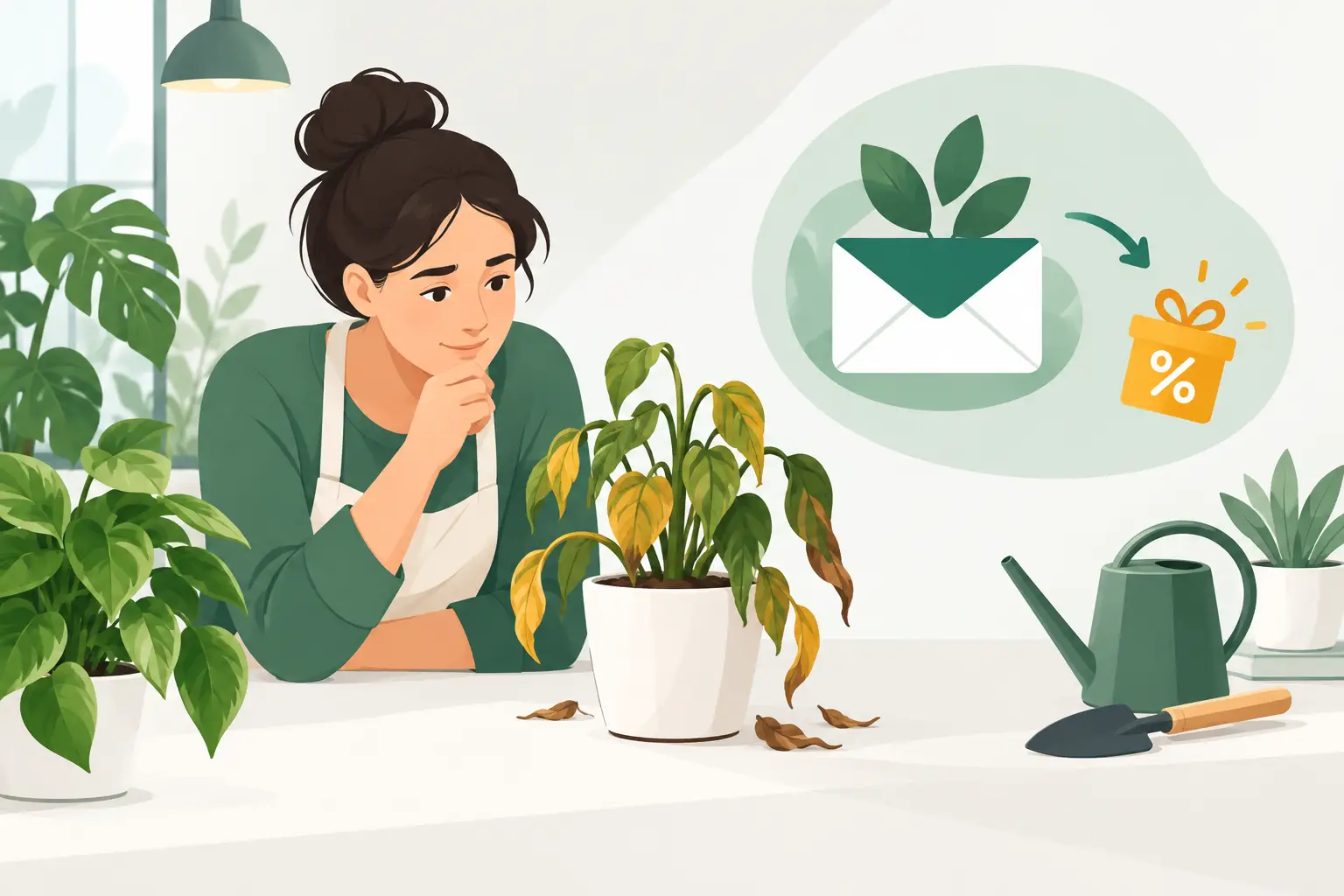
A drooping plant on the kitchen bench does not always need more water. In fact, when houseplants dying becomes the worry, the most common mistake is reacting to every sad-looking leaf with another drink. That can turn a recoverable issue into root rot within days.
Start by reading the plant and its growing conditions before changing anything. Light, watering, pot drainage and Perth’s hot, dry weather all affect how quickly indoor plants use moisture. Once you identify the real cause, many plants can bounce back surprisingly well.
Why Are Your Houseplants Dying?
Plants rarely decline without leaving clues. Yellow leaves, brown tips, limp stems and leaf drop can look dramatic, but they are symptoms rather than a diagnosis. A plant can have yellow leaves because it is too wet, too dry, underfed, cold, sitting in poor light, or simply shedding an older leaf.
The quickest way to narrow it down is to inspect the potting mix, roots, position and recent care routine. Think about what changed in the last few weeks. Did you move it closer to a window? Has the air conditioner started running? Has it been left in a decorative pot with water collecting at the bottom? Those details matter more than a strict watering calendar.
The finger test beats a watering schedule
Push a finger two to five centimetres into the potting mix. If it feels wet and cool, wait before watering again. If it feels dry at that depth, give the plant a thorough drink until water flows from the drainage holes, then let excess water drain away completely.
Small pots dry out faster than large pots, while plants in lower light use much less water. A fiddle leaf fig near a bright window may drink steadily through a Perth summer, but the same plant in a dim corner can stay wet for far too long. Watering every Sunday might work for a while, but it is not a care plan that suits every season or room.
Overwatering is usually about roots, not water quantity
Overwatering does not necessarily mean you used a huge amount of water once. It often means the roots have remained wet for too long because the mix is dense, the pot has no drainage hole, or water is trapped inside a cover pot.
Typical signs include yellowing lower leaves, soft stems, a sour smell from the soil and potting mix that stays wet for days. Slide the plant gently from its pot if you can. Healthy roots tend to be firm and pale, while rotted roots are brown or black, soft and may fall apart when touched.
Remove mushy roots with clean scissors, repot into fresh free-draining mix and use a pot with drainage. Do not fertilise a stressed plant immediately. It needs to re-establish roots before it can make good use of added nutrients.
Underwatering looks different
A thirsty plant often has dry, light potting mix that pulls away from the sides of the pot. Leaves may feel thin, crisp or papery, and they can curl inwards. Some plants, particularly peace lilies, go floppy very quickly when thirsty, then perk up after a proper drink.
If the mix has become extremely dry, water can run straight down the sides and out the bottom without soaking in. Stand the nursery pot in a shallow tray of water for 15 to 30 minutes, then let it drain. This gives the root ball time to absorb moisture evenly. Do not leave it sitting in water overnight.
Light Problems That Make Houseplants Struggle
“Bright indirect light” sounds vague, but it is one of the most useful plant labels to understand. It generally means a well-lit position close to a window without hours of harsh sun landing directly on the leaves.
In Perth, summer sun through glass can be intense. A plant placed against a north- or west-facing window may scorch even if the room feels comfortable to you. Pale, bleached patches, crispy brown marks and curled leaves often point to too much direct sun. Move the plant back from the glass, soften the light with a sheer curtain, or choose a less exposed position.
Low light creates the opposite problem. Growth slows, new leaves become smaller, stems stretch towards the window and soil takes longer to dry. Plants do not stop needing water in a darker room, but they need much less of it. If a spot is genuinely dim for most of the day, choose plants that tolerate lower light rather than forcing a sun-lover to survive there.
Give the plant time after a move
Plants can drop leaves after being delivered, repotted or shifted from one room to another. This is often adjustment stress, especially where temperature and light levels have changed sharply. A few older leaves dropping is not always a crisis.
Keep care steady for two to three weeks. Avoid moving it repeatedly in search of the perfect spot, and do not prune heavily, repot and fertilise all at once. Consistency is more helpful than a rush of remedies.
Check the Pot Before You Blame Yourself
A healthy houseplant needs a pot that lets roots breathe. Decorative ceramic pots without drainage are fine as cover pots, but keep the plant in its plastic nursery pot inside them. After watering, tip out any water that gathers in the bottom.
Pot size also matters. A pot that is far too large holds excess wet mix around a small root system, raising the risk of rot. Conversely, a badly root-bound plant can dry out so quickly that it becomes hard to keep hydrated. Roots circling tightly around the pot, growing from drainage holes or pushing the plant upwards are signs it may be ready to move up one pot size.
Use a quality indoor potting mix suited to the plant type. Succulents, cacti and many drought-tolerant plants need a much grittier, faster-draining mix than a peace lily or calathea. Garden soil is not a substitute for potting mix indoors. It compacts in pots and can prevent air reaching the roots.
Common Signs and What to Do First
Before buying fertiliser or cutting off half the plant, use the symptom as a starting point:
- Yellow lower leaves with wet soil usually suggest overwatering or poor drainage.
- Brown, crispy leaf edges often point to dry mix, hot sun, air conditioning or low humidity.
- Pale growth and long, leggy stems usually mean the plant needs brighter light.
- Black spots, soft stems or a musty smell can signal rot and call for an urgent root check.
- Sticky leaves, fine webbing or cotton-like clusters may mean pests such as scale, spider mites or mealybugs.
For pests, isolate the plant from nearby plants first. Wipe visible insects from leaves and stems with a damp cloth, inspect undersides of leaves, and repeat treatment as needed. One quick wipe rarely solves an established infestation because eggs and hidden insects can remain.
When Fertiliser Helps and When It Does Not
Fertiliser can support healthy growth during the active growing season, but it will not repair damaged roots, poor light or a pot that stays soggy. Feeding a struggling plant can add stress, particularly if the potting mix is dry or the roots are compromised.
Once a plant is stable and producing new growth, use an indoor plant fertiliser according to the label. More is not better. Too much fertiliser can burn roots and leave a crust on the soil surface. In lower-light rooms and during slower winter growth, reduce feeding or pause it altogether.
Choosing Plants Less Likely to Die Indoors
The best way to avoid repeat plant heartbreak is to buy for the position, not just the photo. Before choosing a plant, check how much natural light the room receives, whether it gets hot afternoon sun, how often you are realistically home, and whether you have pets or small children.
For bright rooms with a little direct morning sun, rubber plants, bird of paradise and many palms can make a strong statement. For bright indirect light, monstera, philodendron, pothos and peace lilies are popular options with different looks and care needs. If you want lower-maintenance plants for a busy household, snake plants, ZZ plants and hardy dracaenas cope better with missed watering than thirstier tropical varieties.
Even easy-care plants have limits. A snake plant will not enjoy a dark hallway with no natural light, and a peace lily is not the best match for someone who wants to water once a month. Matching the plant to your home is a better investment than trying to make the wrong plant work.
At Buy My Plants, the simplest place to start is with the light in your room and the care you can genuinely give. Choose one plant that suits both, place it well, and learn its rhythm before filling every spare corner. A thriving plant makes the next purchase much more rewarding.