
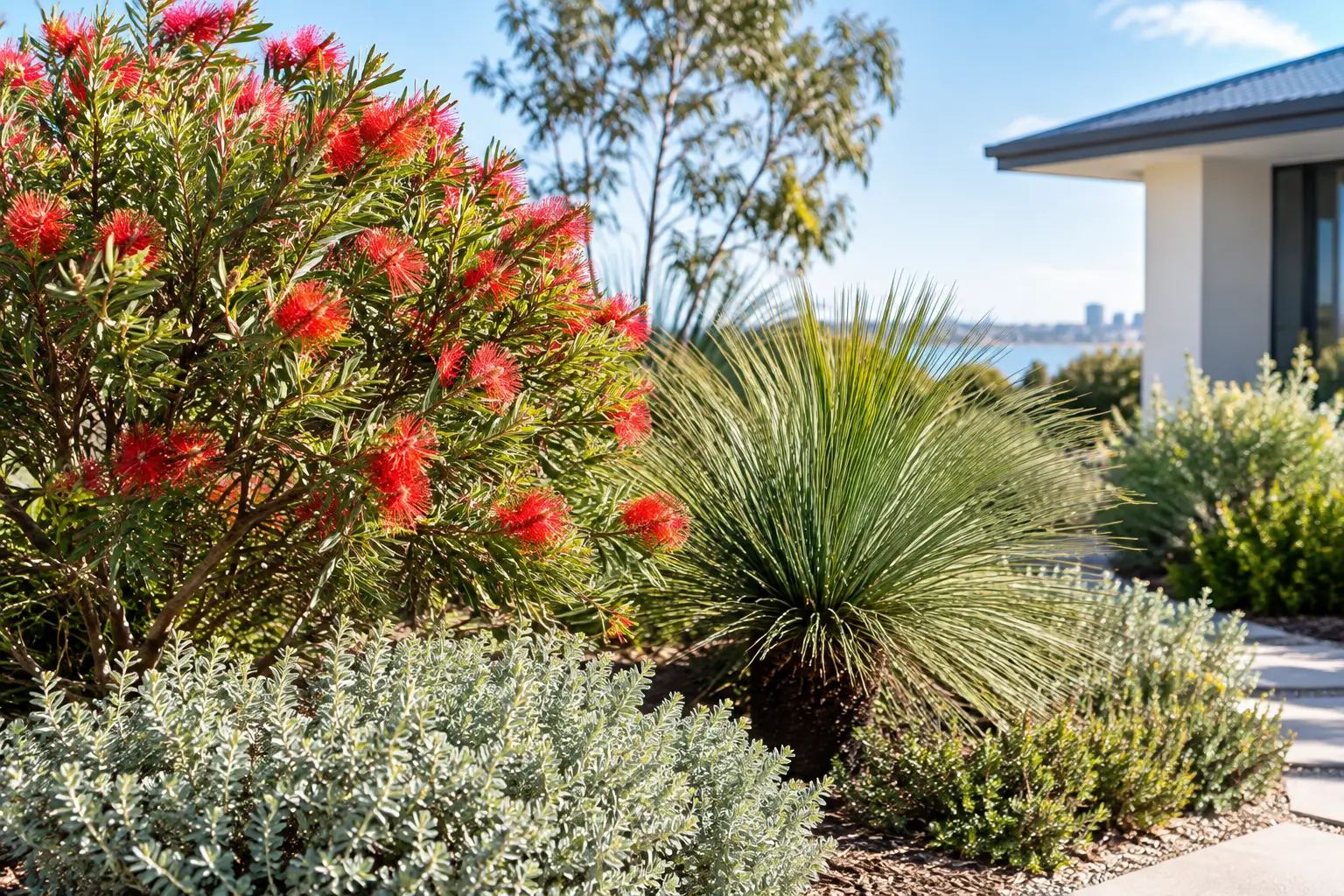
A plant can look perfect at the nursery, then struggle the moment it meets a hot Perth summer, reflected heat from paving, or fast-draining sand. Choosing outdoor plants is less about buying the biggest plant on the day and more about matching it to the spot it needs to live in. Get that right and your garden will look better, establish faster and need far less rescuing later.
For Perth gardens, start with the conditions you actually have, not the garden you wish you had. Check how much direct sun the area receives, whether the soil dries quickly, where reticulation reaches, and how much room the plant will have once it grows. These simple checks narrow the choice quickly and help you buy with confidence.
Choose outdoor plants by position first
The same plant can thrive in one corner of a block and fail a few metres away. Perth properties often have several microclimates: a blazing north or west-facing fence, a protected patio, a shaded side path, and open areas exposed to drying wind. A good outdoor plant choice begins with the position.
Full sun and hot fences
For spots that receive six or more hours of direct sun, look for plants that cope with heat and dry periods once established. Australian natives, succulents, flowering shrubs and many fruiting plants can be strong options, provided their water needs are met while they settle in.
Grevilleas, callistemons, westringias and kangaroo paws bring colour and structure to sunny gardens, with many varieties suited to smaller suburban spaces. Succulents are useful where heat bounces off brickwork or paving and where you want a lower-water planting. For an edible garden, citrus, grapes and selected fruit trees need good sun to produce well, although they still appreciate regular deep watering through summer.
A fence line is not automatically an easy planting area. Soil beside new homes can be compacted, shallow or full of building rubble. Improve the planting zone before you buy, and allow enough distance from the fence for mature growth and air movement.
Part shade, patios and protected courtyards
Part shade does not mean no light. It usually means bright light with a few hours of morning sun, filtered light under an open canopy, or shade later in the day. This is a useful zone for leafy shrubs, flowering plants that dislike harsh afternoon sun, and outdoor plants in pots.
Camellias, gardenias and hydrangeas can suit sheltered, brighter positions, but they are not set-and-forget choices in Perth. They need improved soil, mulch, reliable moisture and protection from punishing summer exposure. If the area gets strong late-afternoon sun, choose tougher plants rather than trying to force a shade-lover through every January.
Courtyards are also ideal for container plants. Pots let you control soil quality, move plants when conditions change and add greenery where garden beds are limited. The trade-off is watering. A pot can dry out far quicker than an in-ground bed, especially if it is dark coloured or sitting on hot paving.
Buy for the job your garden needs done
Most people are not simply buying a plant. They are buying shade, privacy, flowers, fruit, a tidy border or a greener view from the kitchen. Being clear about that job makes choosing far easier.
Screening and privacy
Screening plants need more than a label saying fast growing. Consider the final height and width, whether the foliage stays dense down low, how close plants can be spaced, and how much pruning you are prepared to do. A plant that grows quickly can become a regular maintenance job if it is too vigorous for the space.
Lilly pilly varieties, viburnums, callistemons and compact native shrubs are common screening options for Perth gardens, depending on the look and conditions you want. A narrow side boundary calls for an upright or naturally compact choice, while a larger block may suit a broader, layered screen. Planting one species in a straight line creates a formal result. Mixing compatible shrubs can look softer and provides more variation in foliage and flowers, but it needs a little more planning.
Colour that lasts beyond one weekend
Flowering outdoor plants can make a garden feel finished quickly, but select for the conditions rather than buying only what is in bloom. Kangaroo paws offer standout colour in sunny, free-draining positions. Grevilleas and callistemons can provide flowers alongside bird-friendly garden interest. Roses can perform beautifully in Perth with full sun, feeding, pruning and consistent water, though they ask more of you than a tougher native shrub.
If you want a garden that looks good year-round, combine flowering plants with evergreen structure. Shrubs, grasses and foliage plants keep the bed from looking bare when flowering slows down.
Fruit, vines and plants you can harvest
Edible outdoor plants earn their space, especially in sunny backyards. Citrus are popular for good reason, but they need room, sun, drainage and regular care while young. Grapevines can be a smart choice for a pergola or trellis, producing summer shade as well as fruit, but they need a support structure and annual pruning.
Fruit trees are a longer-term purchase. Before choosing one, check its mature size, whether it needs a pollination partner, and whether your available space gets enough sun. A compact or dwarf form can be a better fit for a suburban garden or large pot than a full-sized tree. It depends on the variety and how much harvest you want, so ask before taking it home.
Perth soil and water change the plan
Much of Perth has sandy soil that drains quickly and holds limited nutrients. That does not stop you growing a good garden, but it does change the preparation and care needed. Digging a hole and dropping in a plant is rarely enough for long-term success.
Work organic matter and a quality soil improver through the planting area, not just the bottom of one hole. This encourages roots to spread into the surrounding soil rather than staying confined. Use a suitable mulch layer over the surface, keeping it clear of stems and trunks. Mulch helps slow moisture loss, moderates soil temperature and reduces weed competition.
Newly planted outdoor plants need consistent watering while roots establish. Deep watering is generally more useful than a quick daily sprinkle because it encourages roots to move down through the soil. Frequency depends on the plant, soil, weather and whether it is in a pot or garden bed. Check below the surface before watering rather than relying only on how dry the top looks.
Reticulation makes garden care easier, but it is not a substitute for observation. Check that every plant is receiving water, particularly at the end of long lines or in beds with dense foliage. During heatwaves, new plants and pots may need extra attention even when the system is running.
Start with healthy plants and a realistic plan
When buying outdoor plants, look for healthy leaves, firm stems and a well-shaped plant that suits the size of your space. A larger plant can give instant impact, but a smaller, healthy plant often establishes just as well and may be easier to transport and plant. Avoid choosing something simply because it is flowering heavily if the species does not suit your conditions.
Have the planting area ready before collection or delivery. That means the soil is prepared, pots have drainage holes, supports are installed for climbers, and you have mulch and watering sorted. The faster a plant moves from nursery to its final position, the better.
At Buy My Plants, the available range changes with the season, so it is worth choosing from plants suited to your garden rather than forcing a particular idea. A quick look at sun, space and watering before you shop can turn one good plant into the beginning of a garden that keeps improving every season.