
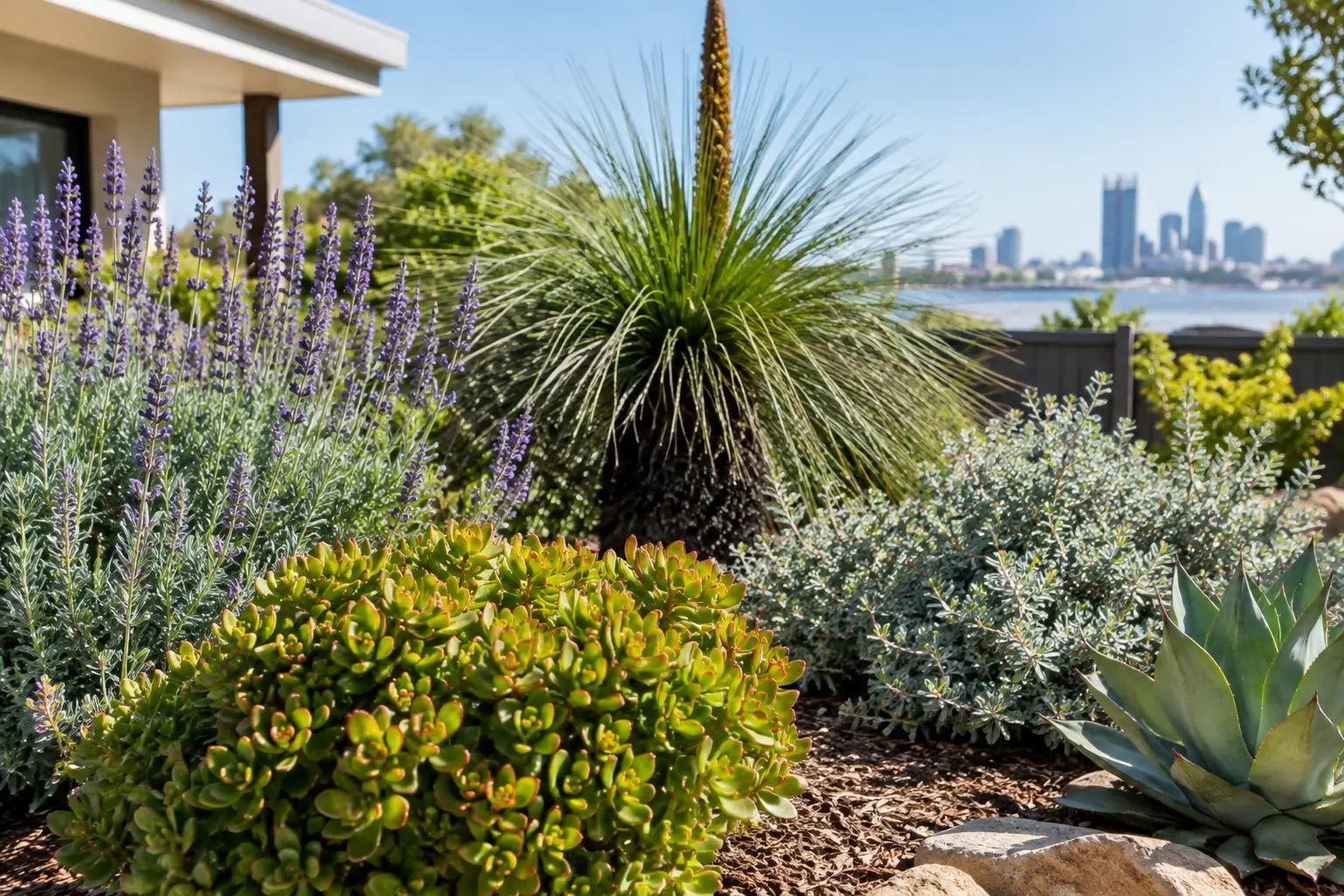
A plant that survives a missed watering is one thing. A plant that still looks good after a hot Perth week, a busy month and a bit of uneven care is another. The best plants that tolerate neglect are not plants you can ignore forever – they are plants suited to the right spot, with enough resilience to forgive the ordinary lapses that happen in real homes and gardens.
That matters in Perth. Sandy soils dry quickly, summer heat is serious, and a pot on a sunny patio can go from damp to bone dry in no time. Start with a hardy plant, give it a proper beginning, then you will spend less time replacing stressed plants and more time enjoying the garden.
What “neglect tolerant” really means
A tough plant still needs water while it is settling in. For most garden plants, that means regular deep watering through their first summer, particularly in a sunny or exposed position. Indoor plants need a pot with drainage, while outdoor plants need soil preparation and mulch. Skip those basics and even the toughest choice can struggle.
Once established, however, some plants handle missed watering, heat, wind and less-than-perfect attention far better than others. The trade-off is often growth speed. A plant that survives on little water may grow more slowly, flower less heavily or look less lush than one receiving consistent care.
Potted plants are the exception worth remembering. Their roots have limited soil around them, so no plant in a small pot is as drought tolerant as the same plant growing in the ground. Choose a larger pot, use a quality free-draining potting mix and check it more often through summer.
Indoor plants that handle a forgetful routine
Snake plant
Snake plants are a reliable choice for indoor plant buyers who want tidy, upright foliage without a demanding care schedule. They cope well with dry indoor air and prefer the soil to dry out between waterings. Put one in bright, indirect light for best growth, although it will tolerate lower light.
The main way to lose a snake plant is overwatering. Use a pot with drainage and resist watering simply because the calendar says so. If the mix is still damp below the surface, leave it alone.
ZZ plant
The ZZ plant is another excellent low-maintenance indoor option, with glossy leaves and thick underground rhizomes that store moisture. It suits rooms with moderate to low indirect light and can tolerate a missed watering far better than most leafy houseplants.
It is not a dark-corner miracle, though. Very low light slows growth considerably, and soggy soil can cause root problems. Think occasional watering, not constant moisture.
Devil’s ivy
Devil’s ivy is a useful option where you want trailing or climbing growth rather than an upright plant. It is forgiving of inconsistent watering and adapts well to bright, indirect indoor light. Let the top layer of potting mix dry before watering again.
It will usually look better with a little more regular care than a ZZ or snake plant, especially in a warm room. Still, it is a practical choice for a shelf, hanging pot or office where watering is sometimes forgotten.
Outdoor plants that cope with Perth conditions
Aloe vera
Aloe vera earns its place in low-maintenance gardens because it is built for dry conditions. Its fleshy leaves store water, it suits full sun to part shade, and it works well in garden beds, courtyards and large pots with excellent drainage.
Avoid placing aloe in a low, damp section of the garden or watering it frequently in winter. In Perth’s sandy ground, it usually performs well once established, but mulch around it lightly and keep mulch away from the crown.
Jade plant
Jade plants have thick, rounded leaves and a compact, sculptural look that suits pots, sunny entry areas and dry garden beds. They are particularly handy for people who like a plant with presence but do not want a thirsty annual display.
Give jade a sunny location and free-draining soil. It is tolerant of dry spells but dislikes wet feet, so a heavy clay pocket or pot without drainage is not the right home for it.
Agave
For bold shape and serious drought tolerance, agaves are hard to overlook. Their architectural leaves suit modern courtyards, gravel gardens and sunny borders, and established plants generally need very little supplementary water.
Choose the variety carefully. Some agaves have sharp spines and are not ideal beside paths, play areas or tight accessways. Give them room to mature rather than planting them where their leaves will eventually block the footpath.
Yucca
Yucca is a practical choice for exposed sunny spots where softer plants often burn or wilt. Many forms are highly tolerant of heat and dry conditions, with strappy or stiff foliage that keeps its shape year-round.
As with agave, placement matters. Some yuccas grow large and have pointed foliage. They are better used as a statement plant in an open bed or against a fence than squeezed beside a narrow walkway.
Westringia
Westringia, often called native rosemary, is one of the most useful low-maintenance shrubs for Perth gardens. It handles sun, wind and coastal conditions well, and its grey-green foliage gives a garden a clean, relaxed look. Depending on the variety, it can be used as a compact border, informal hedge or larger screening shrub.
It is not a plant to plant and completely forget. A light trim after flowering or when it becomes loose keeps it denser, and occasional deep watering during extended dry periods helps it stay at its best. But compared with thirsty hedging plants, it is a sensible lower-input option.
Lomandra
Lomandra is a hardworking Australian native with fine, arching foliage that copes well with heat and low water once established. It is useful along driveways, around patios, on slopes and in mass plantings where you need a neat, durable finish.
It does not need constant pruning. When older foliage becomes tired, a tidy-up or occasional cutback can refresh the plant. Different lomandra varieties vary in size, so buy for the final width and height rather than the size of the pot.
Callistemon
Established callistemons can be remarkably resilient in a sunny Perth garden, while also bringing bird-attracting flowers and a more natural Australian look. Compact varieties work in smaller gardens, while larger types can become effective informal screens.
They will flower and grow more strongly with water during long dry spells, so this is not a zero-care shrub. It is, however, a far better fit for a hot, sunny garden than many thirsty flowering plants. Ask about the mature size before choosing one for a fence line.
How to make tough plants even easier to keep
The best result comes from matching the plant to the site. A shade-loving indoor plant on a blazing west-facing patio will fail, while a sun-loving succulent in a dark bathroom will become weak and stretched. Check the light first, then choose the plant.
In garden beds, use mulch to slow moisture loss and keep it clear of stems and trunks. Water new plants deeply enough for moisture to reach their root zone, rather than giving a quick daily sprinkle. Perth’s sandy soils can become water-repellent, so if water runs off the surface, apply it slowly in stages and consider a soil wetting product suited to your garden.
For pots, size up where possible. More potting mix means more moisture around the roots and less pressure to water every day in summer. A saucer left full of water is not the answer – drainage still matters, particularly for succulents and indoor plants.
Buy for your routine, not just the look
There is nothing wrong with choosing a plant because it looks great, but it should also suit the amount of attention you can genuinely give it. A lush tropical plant may be perfect for a sheltered, regularly watered courtyard. For a hot front verge, rental patio or busy household, a westringia, lomandra, aloe or yucca may be the smarter buy.
When choosing from the current range at Buy My Plants, think about where the plant will live in six months, not just where it will sit on the day you bring it home. A well-chosen hardy plant gives you the satisfaction of a greener space without turning every weekend into a rescue mission.